|
|
|
Welcome to our laboratory

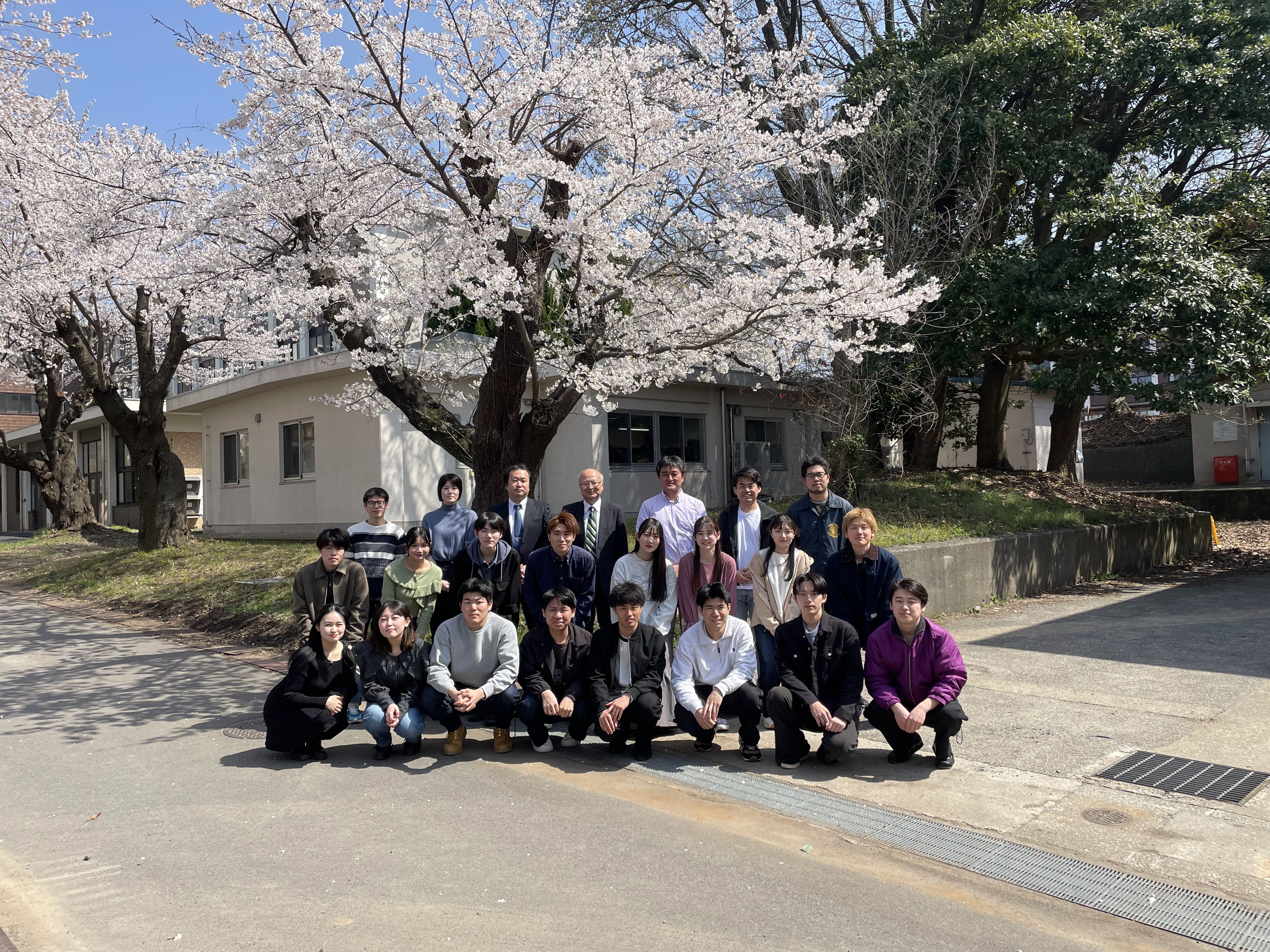
There are diverse frontiers in biology. In particular, environmental organisms fascinate us because they often possess unique and intriguing properties. We believe that organisms hold tremendous potential for discovering novel and useful biofunctions. Our laboratory therefore aims to uncover valuable biofunctions of environmental organisms and translate these discoveries into new technologies. We pursue research themes that spark our curiosity or present scientific and technological challenges, while valuing unconventional and open-minded thinking. Our research spans a broad spectrum from fundamental studies to technological development, and draws not only on biology and biochemistry but also on a wide range of disciplines, including as genetic engineering and computational science. Our current research themes include the following.
|
|
Themes
|
1. Understanding and engineering adaptive molecular evolution in thermophiles (Suzuki)
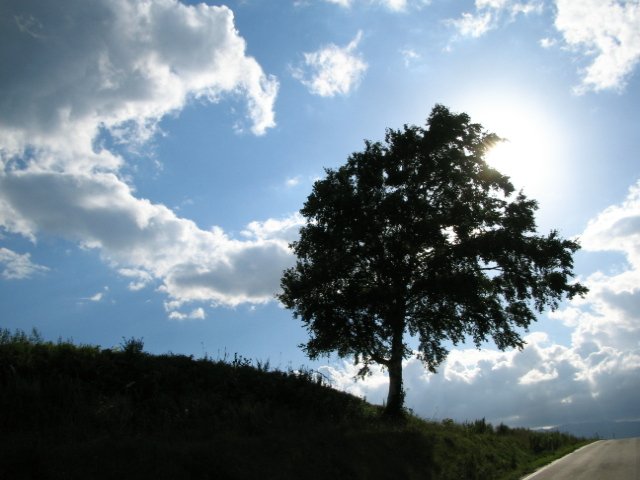
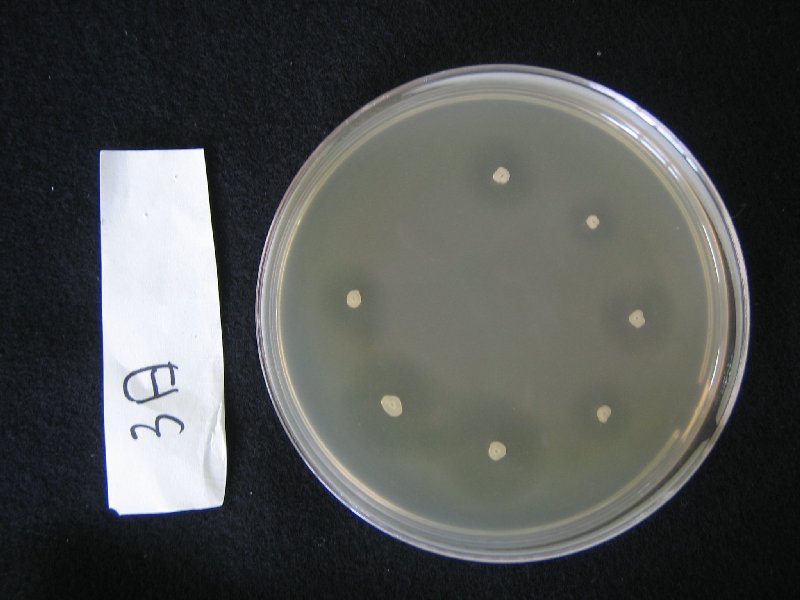
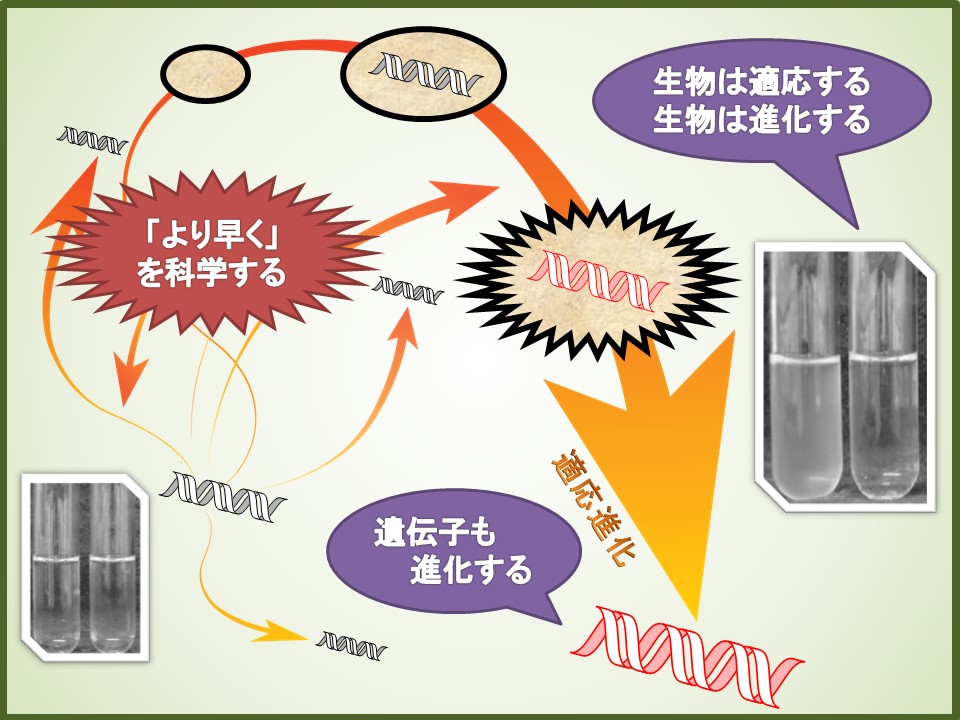
Geobacillus spp. are moderately thermophilic bacteria that have been isolated from a wide range of environments. Our previous studies have revealed that these bacteria induce nucleotide mutations and transposition of several transposable elements under growth-inhibitory conditions, suggesting that they may adapt to diverse environments through active genetic diversification. Accordingly, we have studied the molecular mechanisms underlying genetic diversification and sought to harness these mechanisms for the rapid generation of useful biomolecular variants in Geobacillus spp. We expect that our studies will open up a new field of engineering, which we call "Adaptive Evolutionary Engineering."
|
| |
|
2. Uncovering and exploiting biofunctions of microorganisms (Suzuki)
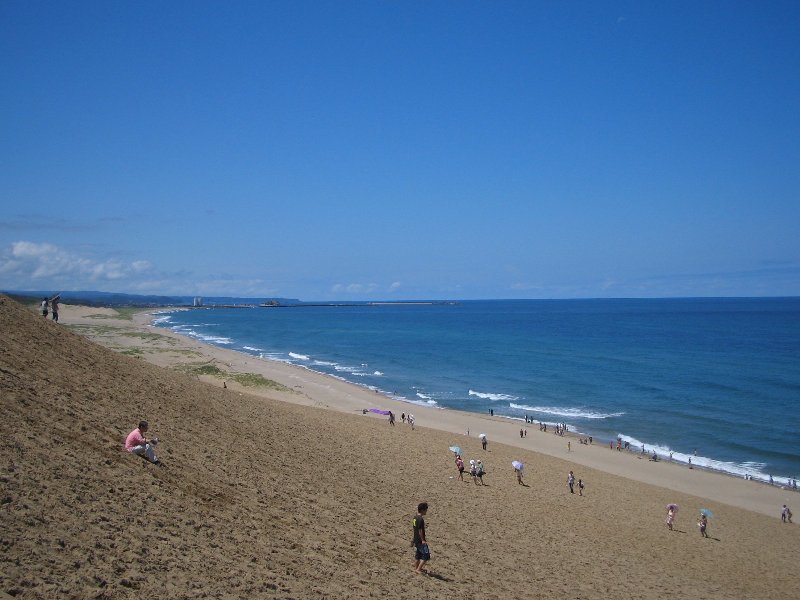
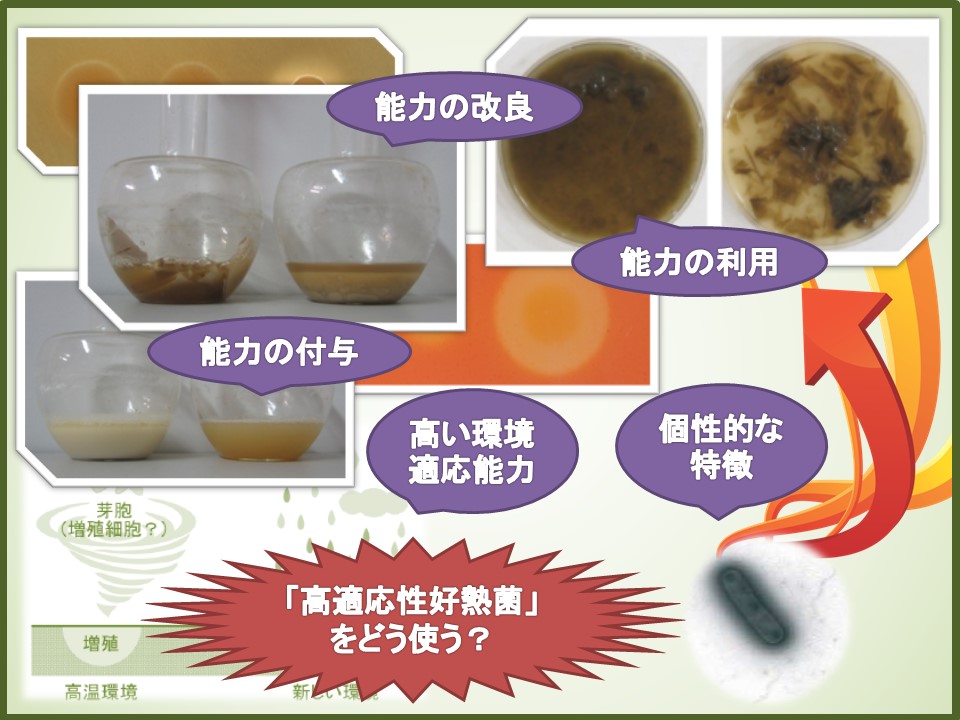
We aim to address a wide range of societal needs, including the low-cost production of recombinant proteins; the rapid creation of highly stable enzymes with broad applications; the development of new production platforms for VHH antibodies; the rational control of complex polycistronic gene expression; the sustainable utilization of arid regions through microorganisms; the valorization of industrial waste as valuable resources; and the creation of new industries in Tottori Prefecture. To address these challenges, we bring together a broad range of disciplines, including applied microbiology, enzymology, genetic engineering, biochemistry, molecular biology, computational science, and natural products chemistry, to explore and harness the potential of microorganisms.
|
| |
|
3. Analysis of amyloid fibrils (Yagi)
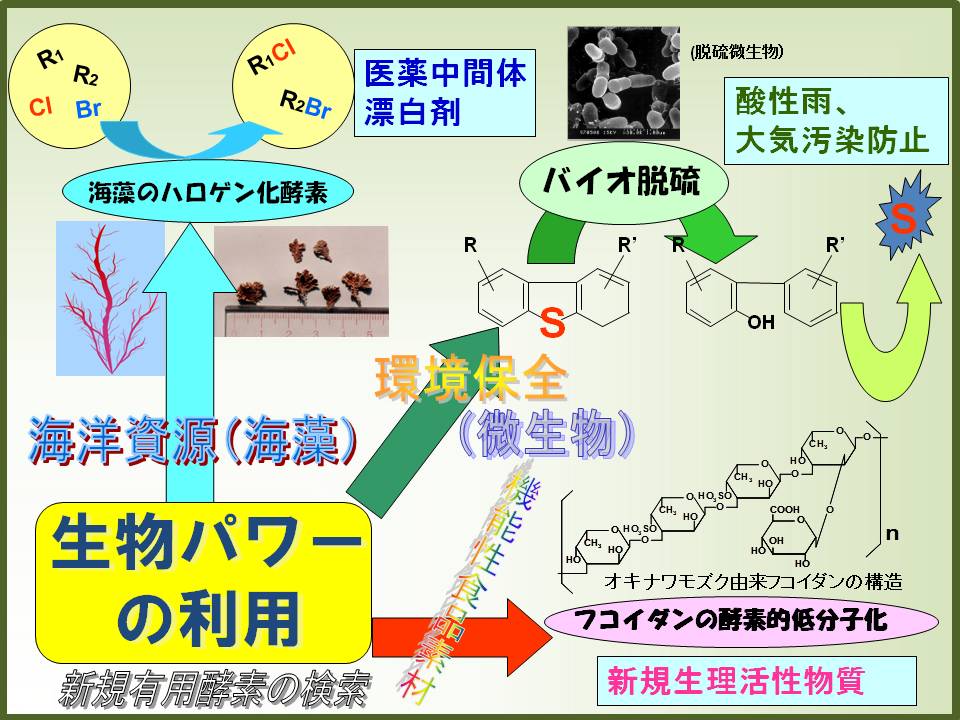
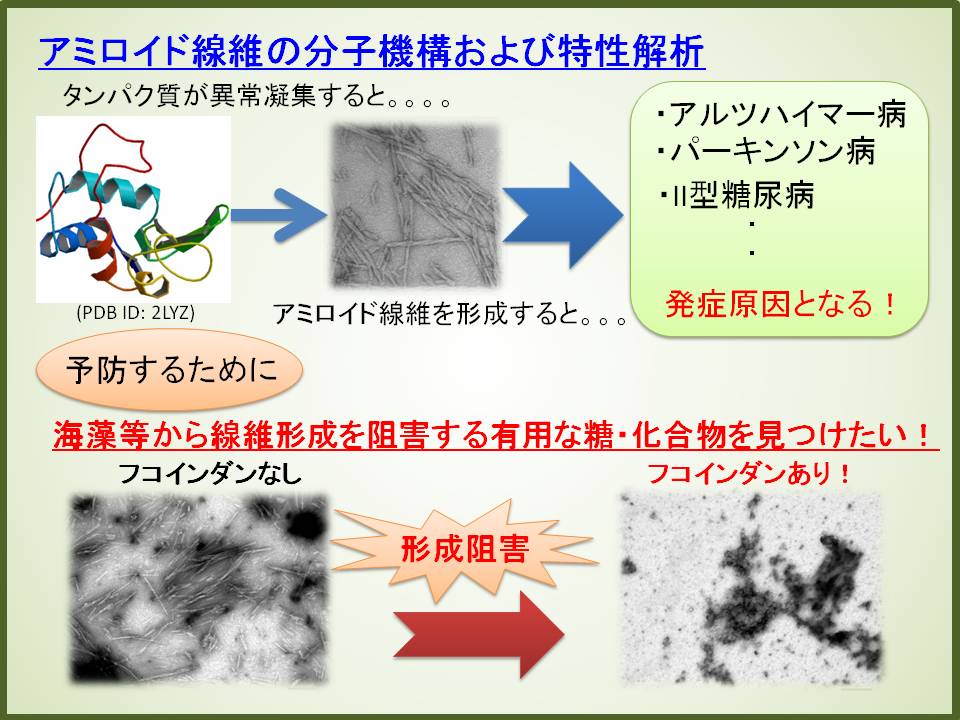
Alzheimer’s disease, Parkinson’s disease, and type 2 diabetes are thought to be associated, in part, with the abnormal aggregation of proteins. These diseases are collectively referred to as amyloid diseases, and preventing abnormal protein aggregation may help prevent their onset. We propose the concept of “food as medicine” as a strategy for preventing amyloid diseases. Focusing on seaweeds, which are abundant in Japan and familiar as a food source, we are searching for compounds derived from seaweeds that inhibit amyloid fibril formation and investigating their functional properties.
|
| |
|
4. Purification of elastin from fish arterial bulbs (Yagi)
The reuse of resources plays an important role in building a sustainable, circular society. We are therefore working on the purification and characterization of elastin fibers from the arterial bulbs of fish, a part of the fish that is normally discarded. Elastin is expected to have applications in the medical and cosmetic fields, and its loss is associated with wrinkles and arteriosclerosis. Elastin derived from fish is considered to offer greater safety than elastin derived from mammals. Furthermore, utilizing discarded fish tissues contributes both to promoting health and to the effective reuse of resources. These advantages make fish-derived elastin a promising subject for further research and development.
|
| |
 |
 |
 |
 |
| |
|
|
Members
| Professor |
Hirokazu Suzuki |
| Associate Professor |
Hisashi Yagi |
|
| M2 students |
Mao Otawa |
|
Shota Tasaki |
|
Nobutaka Tsuji |
|
Reno Naka |
|
Rina Nagatomi |
|
| M1 students |
Kazuya Kosaka |
|
Itsuki Sugimoto |
|
Yuto Nagayama |
|
Ryo Yamamura |
|
| B4 students |
Yurika Oshige |
|
Riko Ono |
|
Ryonosuke Saito |
|
Nami Deguchi |
|
Ayano Hayami |
|
Shingo Beppu |
|
Mizuki Matsumoto |
|
|
|
Contact information
Please contact H. Suzuki for inquiries: hirokazusuzuki[at]tottori-u.ac.jp
Faculty of Engineering, Tottori University
4-101 Koyama-Minami, Tottori 680-8552, Japan
|
|
|
|
|